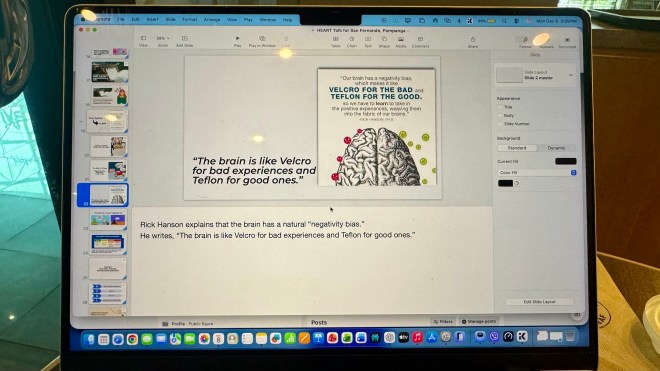
In conversations about teacher well-being, one pattern appears again and again. A single critical comment or difficult interaction can overshadow months or even years of meaningful work. We will recall one negative remark with perfect clarity while forgetting the dozens of grateful messages from students, parents, or colleagues. The imbalance is striking, but it is not a moral failing. It is biology.
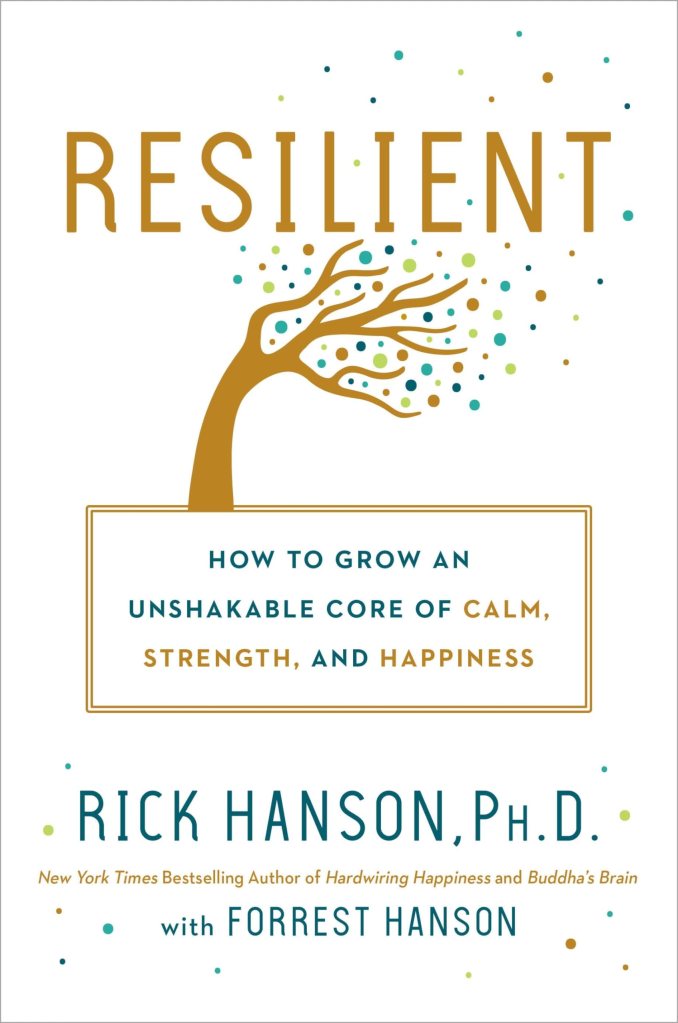
Psychologist Rick Hanson (Resilient: How to Grow an Unshakable Core of Calm, Strength, and Happiness, 2018) captures this dynamic with a simple metaphor, “the brain is like Velcro for negative experiences and Teflon for positive ones.” Evolution trained us to grip anything that resembles a threat. Encouragement, affirmation, and daily successes slide away unless we intentionally let them sink in.
I saw this clearly in my own life recently. A few remarks—nothing dramatic, nothing out of the ordinary—managed to occupy more space in my head than they deserved. Meanwhile, years of purposeful work, supportive colleagues, and meaningful milestones barely registered. It was a textbook example of Velcro and Teflon at work. I knew better, yet the mind pulled toward the negative with surprising force.
This insight resurfaced as I prepared for a DepEd Angeles City session on teacher burnout and stress last month. Listening to stories from educators navigating heavy workloads and rising expectations, it became clear that the Velcro–Teflon dynamic shapes not only how teachers experience criticism but also how they interpret their value. Even the strongest professionals can let isolated comments overshadow the broader truth of their service.
The challenge is not to eliminate negative feedback. It is to hold it in proportion. Critique can guide improvement, but it should not erase the steady, meaningful contributions teachers bring to their classrooms and communities. When we fail to let positive truths settle, exhaustion deepens and self-doubt grows. We need intentional balance. Let’s capture the moments of success before they slide away. Let them stay long enough to counter the weight of stress. Notice the quiet wins, such as a student breakthrough, the collegial trust, the lesson that sparked curiosity, and allow these memories to take root.
We, educators, carry immense responsibility, and their impact rarely fits into quick metrics or weekly summaries. Being aware of the Velcro–Teflon pattern does not erase burnout or keep criticisms away, but it equips us with a clearer lens. Negative moments are louder, but they are not necessarily more accurate. Positive ones are quieter, but no less real.
By recognizing this evolutionary bias, we can reclaim a more grounded narrative, where our contributions hold, our growth remains visible, and our sense of purpose is protected rather than diminished. This reframing is important as we stay committed to sustaining our work in this complex, demanding world of education.
 Francis Jim Tuscano